A timber deck is exposed to sun, rain, foot traffic, falling leaves and, in Melbourne, plenty of temperature swings. Regular maintenance keeps it looking good, protects the timber and helps you spot problems before they become expensive.
This guide is general information. Always follow the instructions on the products you use, and wear appropriate protective equipment.
Why maintenance matters
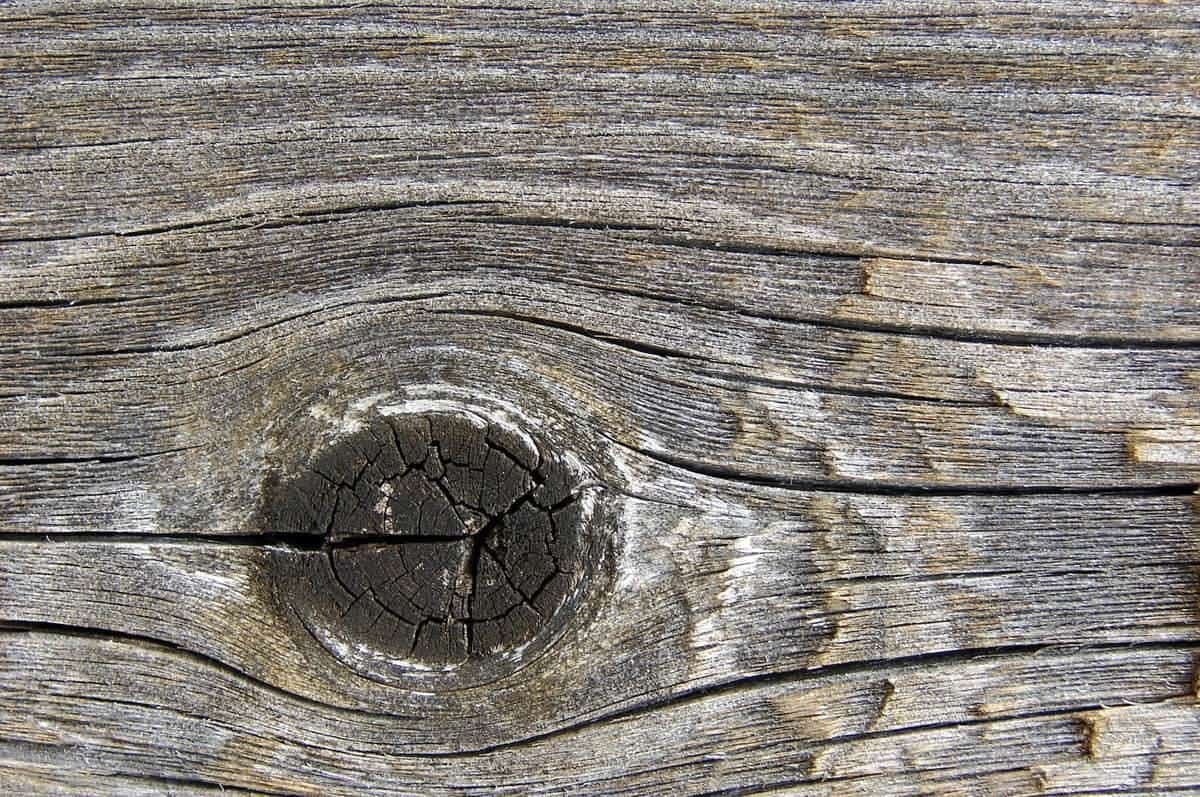
UV light breaks down the surface of timber, causing it to grey. Moisture causes timber to swell and shrink, which can lead to cracking, cupping and loosened fixings. Dirt, leaves and organic matter trap moisture and encourage mould and decay. A protective coating slows these processes, and cleaning removes the material that holds moisture.
Routine care
- Sweep regularly to remove leaves and dirt, especially from gaps between boards.
- Clean up spills like grease and wine quickly.
- Keep gaps clear so water can drain and air can circulate.
- Move pot plants occasionally and use pot feet so water doesn't sit under them.
- Trim plants so they don't keep the deck damp or brush against it.
Deep cleaning
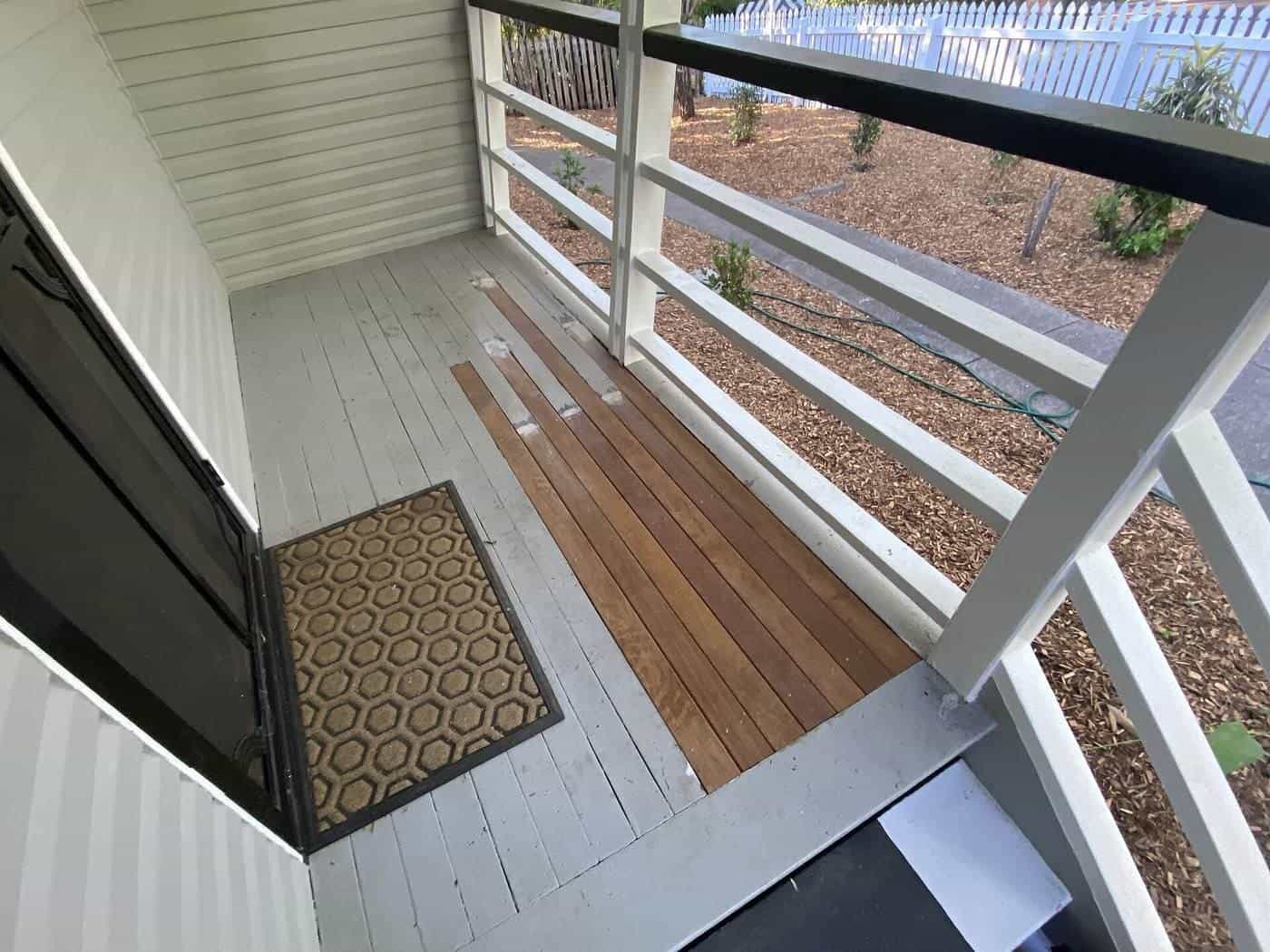
Before re-coating, a deck usually needs a thorough clean. Use a deck cleaner suited to your timber and coating, following the product directions. A stiff brush often works better than a pressure washer, which can raise the grain or gouge timber if used too close or too strong. If you do use one, follow the manufacturer's guidance.
Rinse thoroughly and let the deck dry completely before applying a coating.
Choosing a coating
Common options include:
- penetrating oils, which soak into the timber and enhance its natural look, generally needing more frequent re-coating;
- stains, which add colour and some UV protection;
- water-based coatings, which generally dry faster and clean up with water;
- film-forming finishes, which sit on the surface; these can look good initially but may peel and be harder to recoat.
Ask your supplier which suits your timber, exposure and how much maintenance you're willing to do. For new decks, ask whether the timber needs to weather before the first coat.
Applying a coating
- Check the weather: avoid applying in direct hot sun, before rain or on very cold days.
- Test in an inconspicuous area first.
- Apply thin, even coats along the length of the boards.
- Coat the board ends and edges where possible.
- Follow drying times before walking on the deck.
How often to re-coat
There's no single answer. It depends on the product, the timber and how much sun and rain the deck gets. A common test is to sprinkle water on the boards: if it soaks in rather than beading, it may be time to re-coat. Follow the coating manufacturer's guidance.
Annual check
Once a year, take a close look:
- Fixings: are screws or nails loose, popped or corroded?
- Boards: any soft spots, splits, cupping or rot, especially near the house or ground?
- Frame: look underneath if you can for rot, corrosion or movement.
- Balustrades and stairs: are they firm? Shake them firmly.
- Ledger: where the deck meets the house, look for signs of water damage.
- Termites: look for mud tubes or damaged timber.
If you find soft timber, wobbly balustrades or movement in the frame, get professional advice. See inspecting an older deck.
Bushfire areas
If you live in a bushfire prone area, regularly clear leaves and debris from under and around the deck and from between boards. See decks in bushfire areas.
Melbourne's climate and your deck
Melbourne's weather is hard on outdoor timber in its own way. Hot, dry spells with strong UV can dry and grey boards quickly, while long, damp winters keep shaded parts of a deck wet for weeks. Decks on the south side of a house, under trees or close to the ground may stay damp much longer than sunny, well-ventilated ones. Think about where your deck sits, how much sun each part gets and where leaves will collect, and plan materials, ventilation and maintenance accordingly. A deck that dries quickly after rain will almost always last longer.
Coastal and exposed sites
Bayside suburbs and coastal areas like the Mornington Peninsula and Bellarine are harder on decks. Salt air can accelerate corrosion of fixings, and strong winds and sun intensify weathering. Ask your builder about fixings suitable for coastal environments, such as appropriate grades of stainless steel, and about timbers and coatings that perform well in exposed conditions. Regular rinsing and cleaning can help in salty environments.
Termites
Termites are active in many parts of Victoria. Timber decks, especially those close to the ground, can be at risk. Using appropriately treated or naturally durable timber, keeping the area under the deck dry and clear, and avoiding direct contact between untreated timber and soil all reduce the risk. If your house has a termite management system, make sure deck construction doesn't bridge or compromise it. Regular inspections by a licensed pest manager are a good idea in termite-prone areas.
Environmental choices
There are several ways to make a deck more sustainable. Ask about timber certified under recognised forest certification schemes, recycled timber, and composite products with recycled content. Choosing a durable material suited to the conditions, designing the deck so it dries well, and maintaining it properly all extend its life, which reduces waste. When an old deck is removed, ask whether any timber can be reused or recycled, and dispose of treated timber according to local council rules rather than burning it.
Children and pets
If you have young children or pets, think about:
- balustrades on decks where a fall is possible, even below the height where they're required;
- gaps that small children or pets could get stuck in or fall through;
- gates at the top of stairs;
- avoiding furniture or planters near balustrades that children could climb;
- splinter-free surfaces, either through good maintenance or by choosing a suitable product;
- shade, because boards can get hot in summer sun.
Supervise young children on decks, particularly raised ones.
Keep a deck file
Keep a simple folder, paper or digital, for your deck. Include the building permit and inspection records, plans and engineering details, the contract and any variations, product names and colours for boards and coatings, warranty documents and receipts. Add photos taken during construction, especially of the frame and footings before they're covered. This file is invaluable when you need repairs, make a warranty claim, sell your home or resolve a dispute, and it saves the next owner a lot of guesswork.
Questions to ask your supplier
- What species or product is this, and what is it suited for?
- What hazard class or durability class applies?
- What board sizes, lengths and profiles are available?
- What joist spacing and gaps do you recommend for this product?
- Which fixings should be used, and are they suitable for my location?
- What coating or care does it need?
- Do you have certified or recycled options?
Get recommendations in writing where possible, and keep them with your deck records.
Rain, runoff and drainage
Think about where water goes when it rains. Water falling on the deck passes through the gaps between boards to the ground beneath, which should drain away from the house rather than pooling. Roofed decks need gutters and downpipes connected to the stormwater system. Avoid directing runoff onto neighbouring properties. On sloping sites, the ground under the deck may need shaping or drainage. Standing water under a deck encourages decay and pests, so get drainage right from the start.
Key points
- Sweep regularly and keep gaps clear.
- Clean thoroughly before re-coating, taking care with pressure washers.
- Choose a coating suited to your timber and maintenance preferences.
- Re-coat when water stops beading, following product guidance.
- Check fixings, boards, frame and balustrades every year.
Frequently asked questions
How often should I oil my deck?
It depends on the product, exposure and finish. Follow the coating manufacturer’s instructions and re-coat when water no longer beads or the colour fades.
Do I need to oil new hardwood?
Many builders recommend coating new decks, but some timbers need time to weather first. Follow the supplier’s advice.
Can I pressure-wash my deck?
Carefully, if at all. High pressure can damage timber and some composites. Check the manufacturer’s advice.
What should I check each year?
Loose or popped fixings, soft or cracked boards, rot near the ground, balustrade stability, and debris in gaps.
Do composite decks need maintenance?
Yes, mainly cleaning. Follow the manufacturer’s care instructions.
Sources and further reading
Facts on this page were checked against these primary and official sources. Conditions change — confirm before you travel or buy.
- Using treated timber — Business Queensland
- Preservative treatments and use classes — WoodSolutions
- Bushfire areas and overlays — Victorian Building Authority
- Balconies, decks and balustrades — Victorian Building Authority