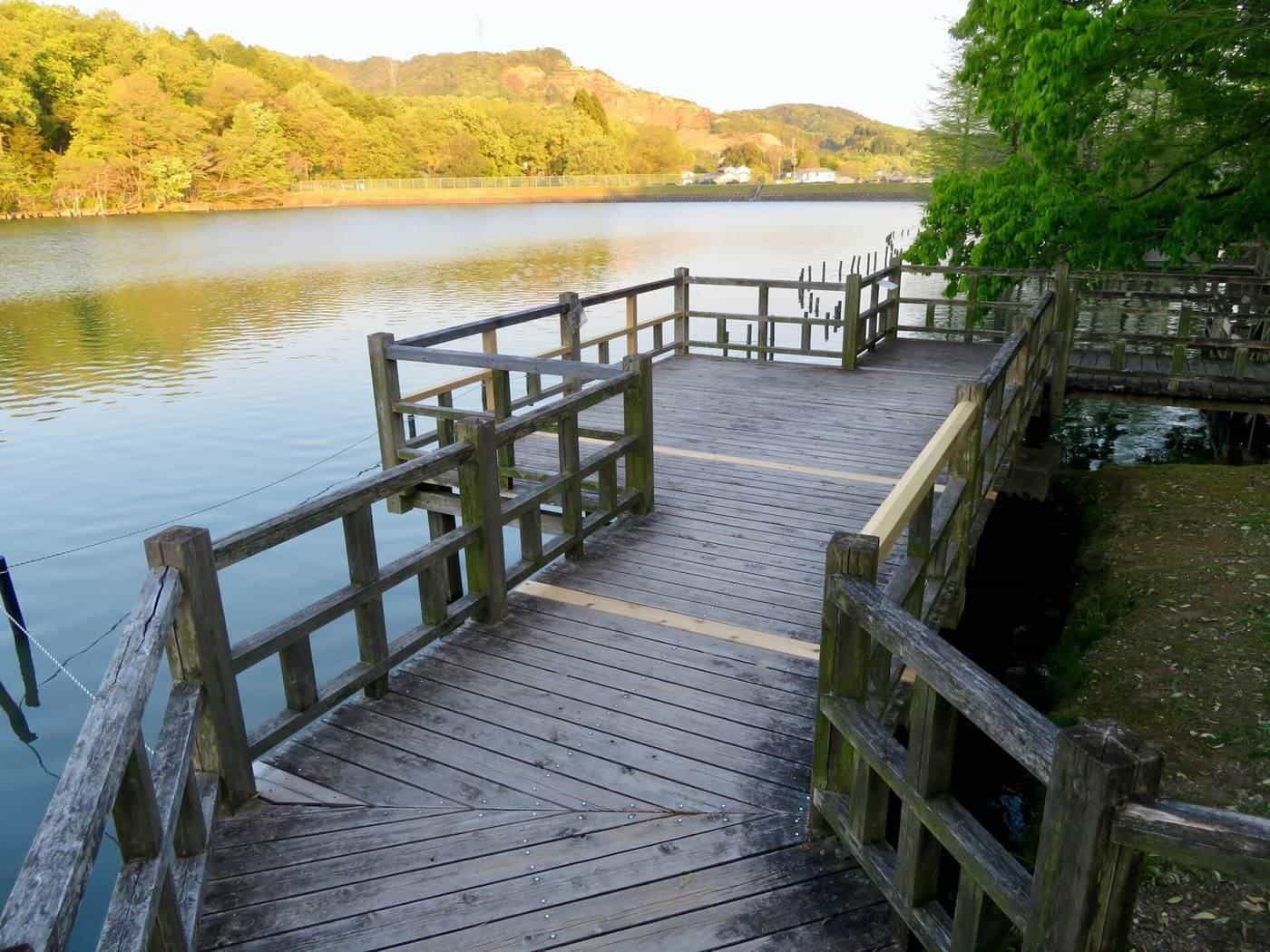
A deck is only as good as its condition. Balustrades that meet the rules, boards that are cared for, a frame that's checked regularly and a plan for what to do if something goes wrong all help keep your deck safe and enjoyable. The guides in this section cover deck safety, maintenance and disputes, using official information.
The guides in this section
- Balustrades and stairs: when a barrier is required, minimum heights, gaps and face-mounted balustrades.
- Oiling and maintaining a deck: cleaning, choosing a coating, re-coating and an annual checklist.
- Inspecting an older deck: warning signs in boards, frame, ledger and balustrades, and when to get help.
- Building disputes: raising problems with your builder and free dispute resolution in Victoria.
Balustrade basics
The National Construction Code's Housing Provisions require a barrier along a deck where it's possible to fall 1 m or more to the surface beneath. Barriers must be at least 1 m above the deck floor and at least 865 mm above stair nosings, and openings must not allow a 125 mm sphere through. Where a barrier is fixed to the face of a deck, the gap at the edge must not exceed 40 mm. The Australian Building Codes Board notes that older balustrades may not meet current heights.
A simple maintenance routine
- Regularly: sweep, keep gaps clear, clean up spills, move pots.
- As needed: deep clean and re-coat when water stops beading.
- Every year: check fixings, boards, frame, ledger, balustrades and stairs, and look for termites.
Warning signs
Stop using a deck and get it checked if it sways or sags, if a balustrade moves, if you find soft or rotten framing, or if there are gaps or water damage where it meets the house.
If a project goes wrong
Raise problems with your builder in writing first. If you can't resolve them, the Building and Plumbing Commission offers a free, impartial domestic building dispute resolution service for eligible disputes. It was previously known as Domestic Building Dispute Resolution Victoria (DBDRV).
Safety around the home
- Supervise young children on raised decks.
- Keep furniture and planters away from balustrades so children can't climb them.
- Light stairs and edges for night use.
- Keep decks clean to reduce slipperiness.
- In bushfire prone areas, keep under and around the deck clear of leaves and flammable material.
Planning a replacement?
If an inspection shows your deck needs major work, see our planning section for permits, choosing a builder and contracts, and our materials section for options. Our deck calculator helps estimate materials for a new deck.
Children and pets
If you have young children or pets, think about:
- balustrades on decks where a fall is possible, even below the height where they're required;
- gaps that small children or pets could get stuck in or fall through;
- gates at the top of stairs;
- avoiding furniture or planters near balustrades that children could climb;
- splinter-free surfaces, either through good maintenance or by choosing a suitable product;
- shade, because boards can get hot in summer sun.
Supervise young children on decks, particularly raised ones.
Warranties and guarantees
Several kinds of protection may apply to your deck: your builder's workmanship warranty, manufacturers' warranties on boards, fixings and coatings, and statutory warranties under Victorian domestic building law. Read warranty terms carefully. Many manufacturers' warranties depend on installation following their instructions and on regular maintenance. Keep receipts, product details and installation records, and register products where manufacturers require it.
Records
Keep a simple folder, paper or digital, for your deck. Include the building permit and inspection records, plans and engineering details, the contract and any variations, product names and colours for boards and coatings, warranty documents and receipts. Add photos taken during construction, especially of the frame and footings before they're covered. This file is invaluable when you need repairs, make a warranty claim, sell your home or resolve a dispute, and it saves the next owner a lot of guesswork.
Five habits for a deck that lasts
- Check permits before you start. Most decks in Victoria need a building permit.
- Use a registered builder for work over $10,000, and check their registration with the Building and Plumbing Commission.
- Match materials to exposure: the right treatment class near the ground, suitable fixings and, in bushfire prone areas, materials that suit the BAL.
- Design for drainage and airflow so the deck and the house wall can dry out.
- Maintain it: sweep, keep gaps clear, re-coat as needed and check balustrades and fixings every year.
About these guides
Deck Builders Melbourne is an independent information site. We aren't a builder, deck company, building surveyor or government agency, and no business pays to appear in our guides. We don't publish prices or rank builders or products. We write every guide in our own words and list the official sources we used, such as the Victorian Building Authority, Consumer Affairs Victoria, the Building and Plumbing Commission, the Australian Building Codes Board and Victorian planning guidance. Rules and thresholds change, so check current details with your building surveyor, council and the relevant agency.
How we keep these guides current
We review each guide against official sources and show the date it was last checked. If you notice something out of date, please tell us through our contact page, and we'll check and correct it.
Guides in this section
Safety & care
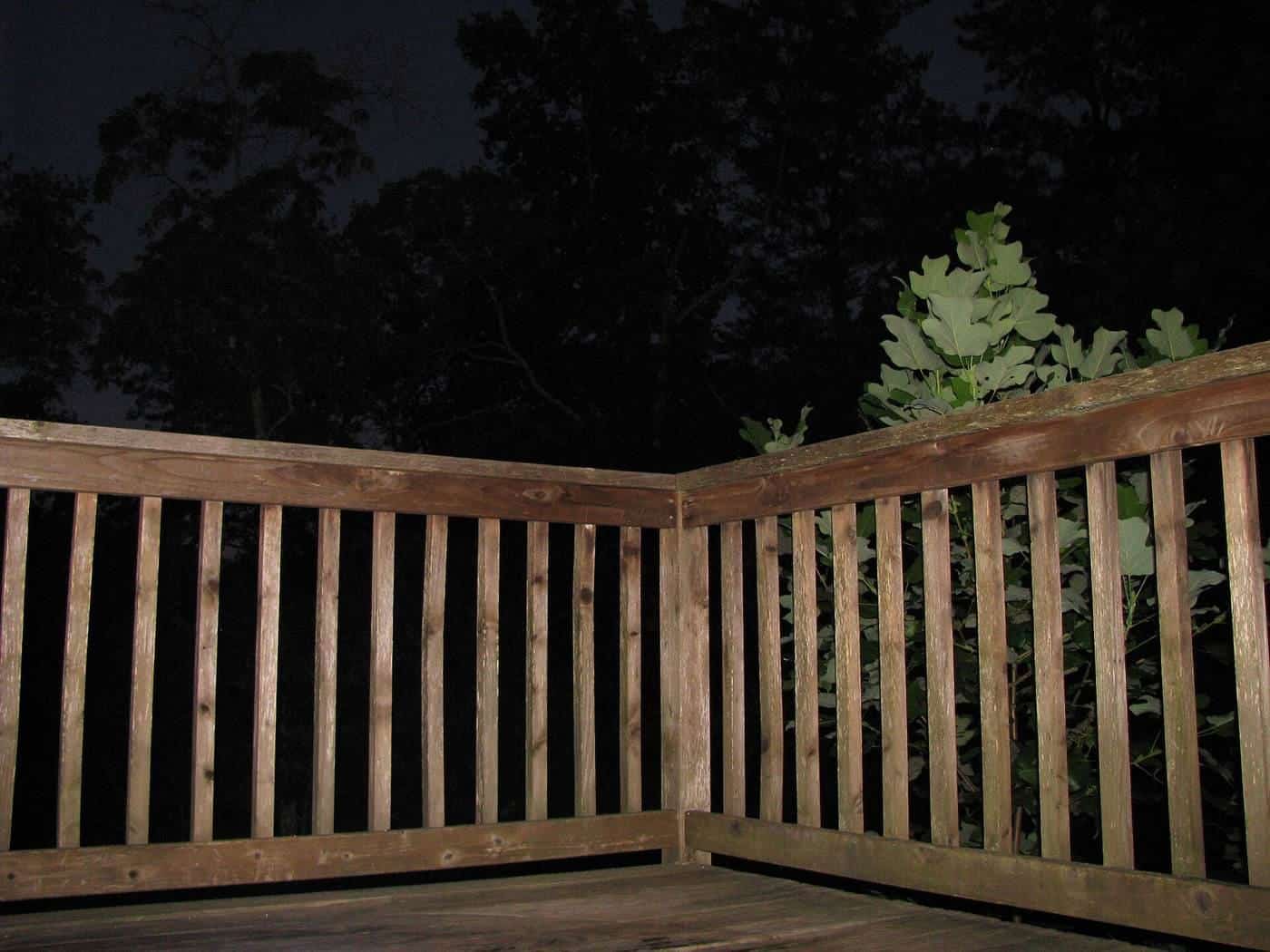
Balustrades and stairs
When a deck needs a balustrade, the minimum heights and gaps in the National Construction Code, and practical safety tips for stairs and children.
Read · 6 min
Safety & care
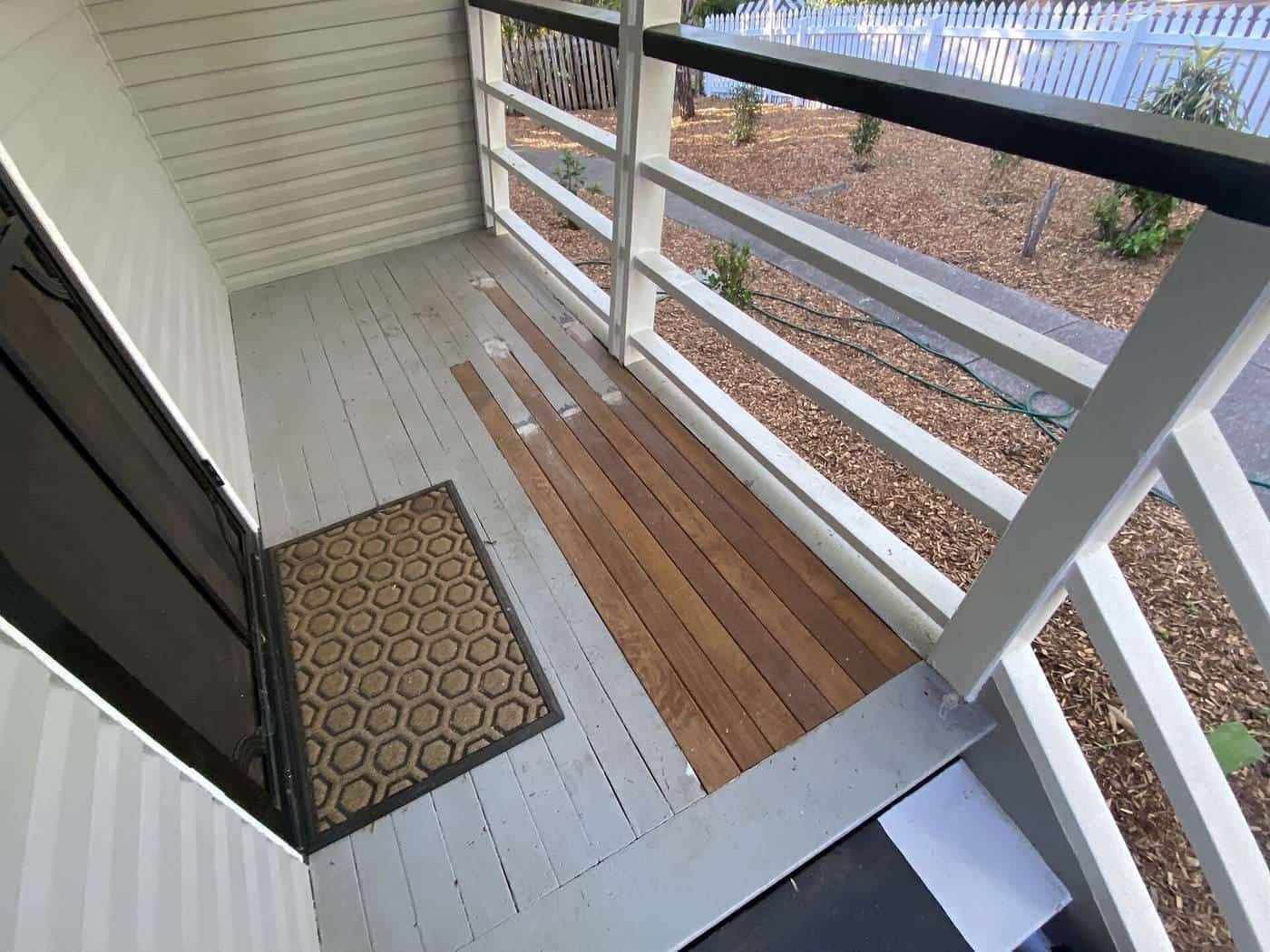
Oiling and maintaining a deck
A practical guide to deck maintenance: cleaning, choosing oils and stains, re-coating, keeping gaps clear and checking fixings.
Read · 6 min
Safety & care
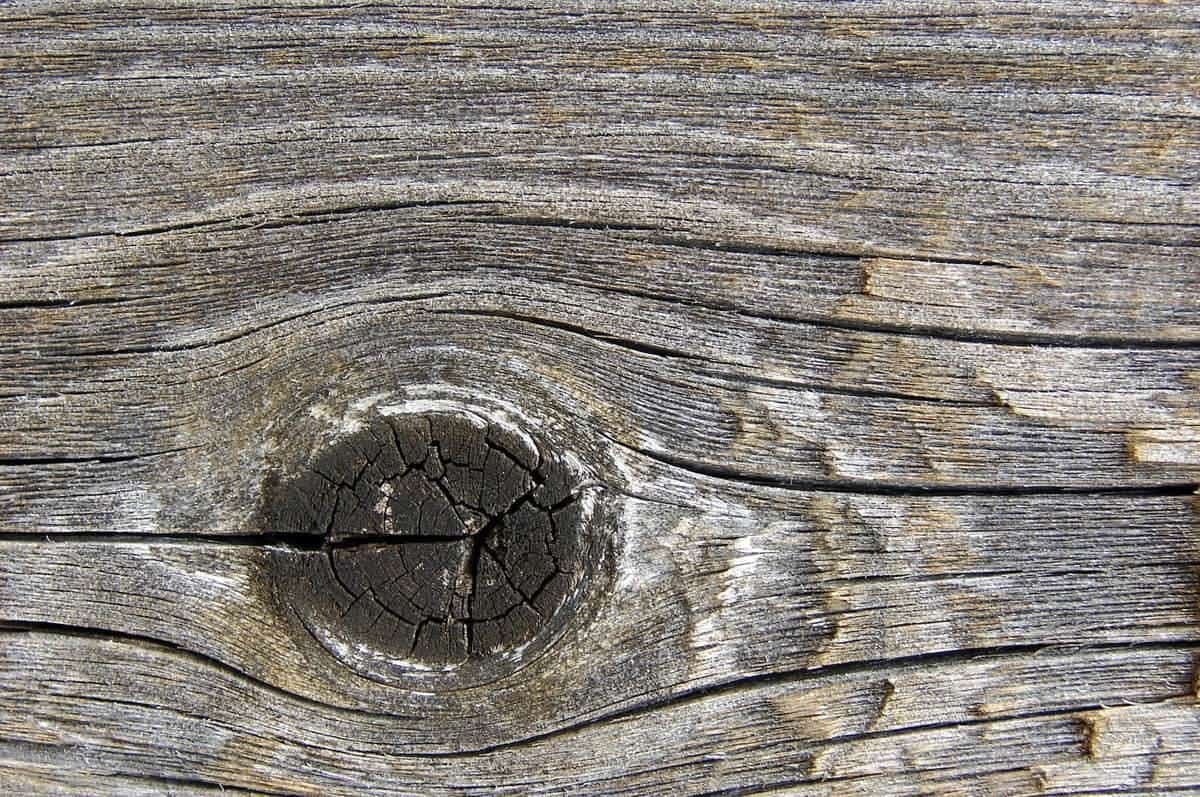
Inspecting an older deck
Warning signs that an older deck may be unsafe, what to look for in boards, framing, ledgers and balustrades, and when to call a professional.
Read · 6 min
Safety & care
Building disputes
How to handle a dispute with a deck builder in Victoria: raising it in writing, free BPC dispute resolution, and records to keep.
Read · 6 min
Frequently asked questions
When does a deck need a balustrade?
Under the NCC Housing Provisions, where it’s possible to fall 1 m or more from the deck to the surface beneath.
How often should I oil my deck?
It depends on the product and exposure. Re-coat when water stops beading, following the manufacturer’s guidance.
What are signs of an unsafe deck?
Soft timber, movement, loose balustrades, corroded fixings and gaps where the deck meets the house.
Where can I get help with a building dispute?
The Building and Plumbing Commission offers free dispute resolution for eligible domestic building disputes.
Sources and further reading
Facts on this page were checked against these primary and official sources. Conditions change — confirm before you travel or buy.
- Housing Provisions Part 11.3: Barriers and handrails — Australian Building Codes Board
- Stairways, barriers and handrails FAQ — Australian Building Codes Board
- Dispute resolution — Building and Plumbing Commission
- Balconies, decks and balustrades — Victorian Building Authority