Composite decking has become a popular alternative to timber boards. It's marketed as low-maintenance, consistent in colour and resistant to rot. Like any material, it has advantages and trade-offs, and products vary a lot between manufacturers.
This guide is general information. We don't rank brands or publish prices. Always read the manufacturer's information and installation guide.
What composite decking is
Composite boards are generally made from a blend of materials, often wood fibres or flour combined with plastics and additives. Some have a protective outer layer (sometimes called capping) designed to resist staining and fading. There are also boards made from other synthetic materials. The exact composition differs between products, and that affects how the boards look, feel and perform.
Potential advantages
- Less ongoing finishing: most composite boards don't need oiling or staining.
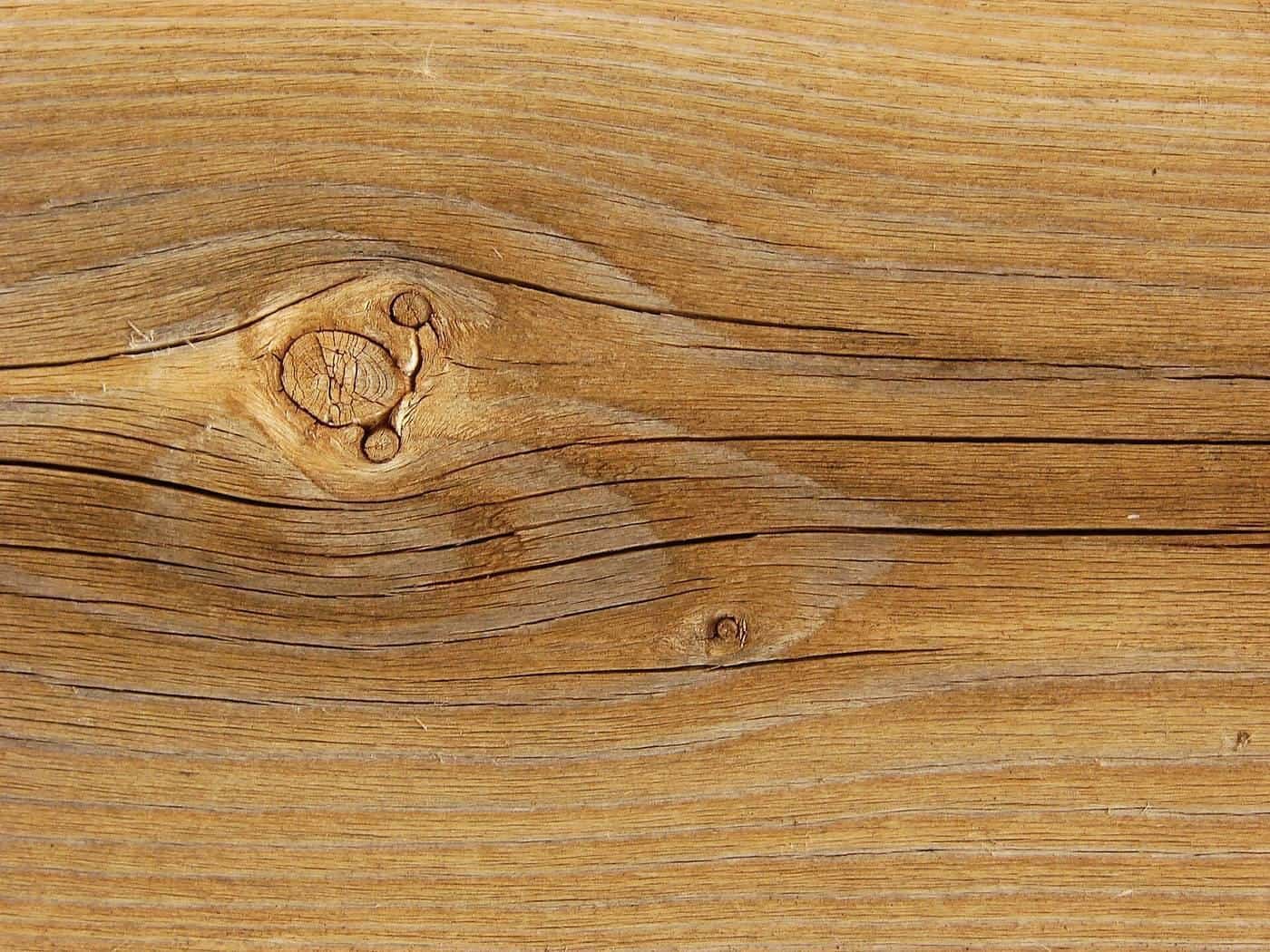
- Consistent appearance: boards are uniform in colour and free of knots.
- Resistance to rot and insects: because they're not solid timber, many composites resist decay and termites, though the frame underneath usually still needs protection.
- No splinters: a common reason families choose composite.
Potential drawbacks
- Heat: some composite boards, especially darker colours, can get hot in direct summer sun. Ask about surface temperatures and colour choice.
- Appearance: some people prefer the natural variation of timber.
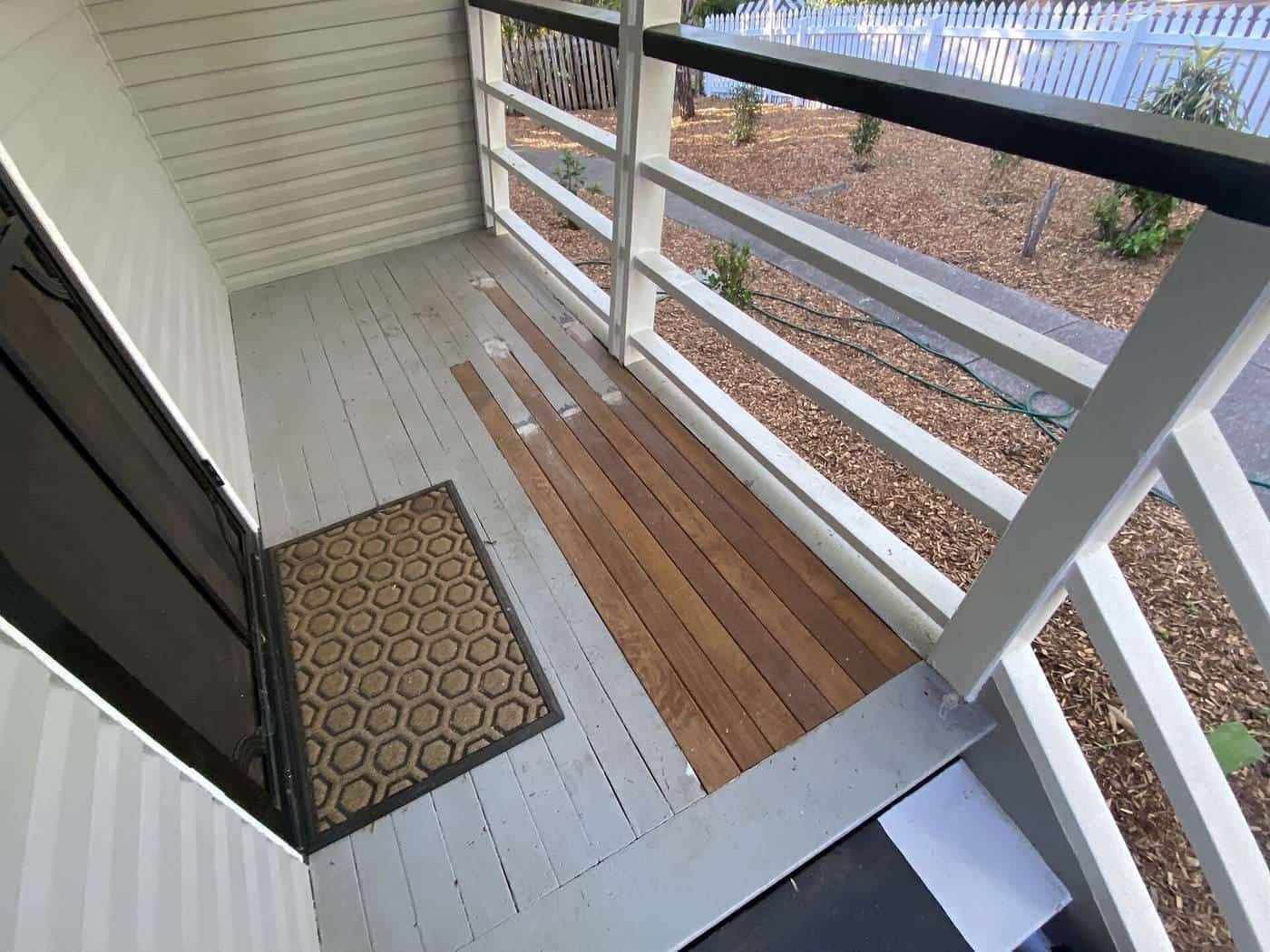
- Repairs: damaged boards usually need replacing rather than sanding.
- Movement: composites expand and contract with temperature, so installation gaps and fixings must follow the manufacturer's instructions.
- Cost: composite boards can cost more up front than some timber options, though comparisons depend on the product and how you value maintenance over time.
The frame still matters
Composite boards usually sit on a timber or steel frame. The frame must suit the product: manufacturers specify joist spacing, which may be closer than for timber boards, and often require particular fixings or clip systems. If the frame is timber, it must be treated to the right hazard class for its exposure; see timber decking and footings and framing.
Fixing systems
Many composite products use hidden clips that fix into grooves in the board edges, giving a clean surface without visible screws. Others can be face-fixed. Use only the fixings the manufacturer specifies, because using the wrong system can void warranties.
Slip resistance
Wet decks can be slippery, whatever the material. Ask manufacturers for slip resistance information, especially for areas around pools, steps and entries. Keep decks clean, as algae and grime increase slipperiness.
Bushfire areas
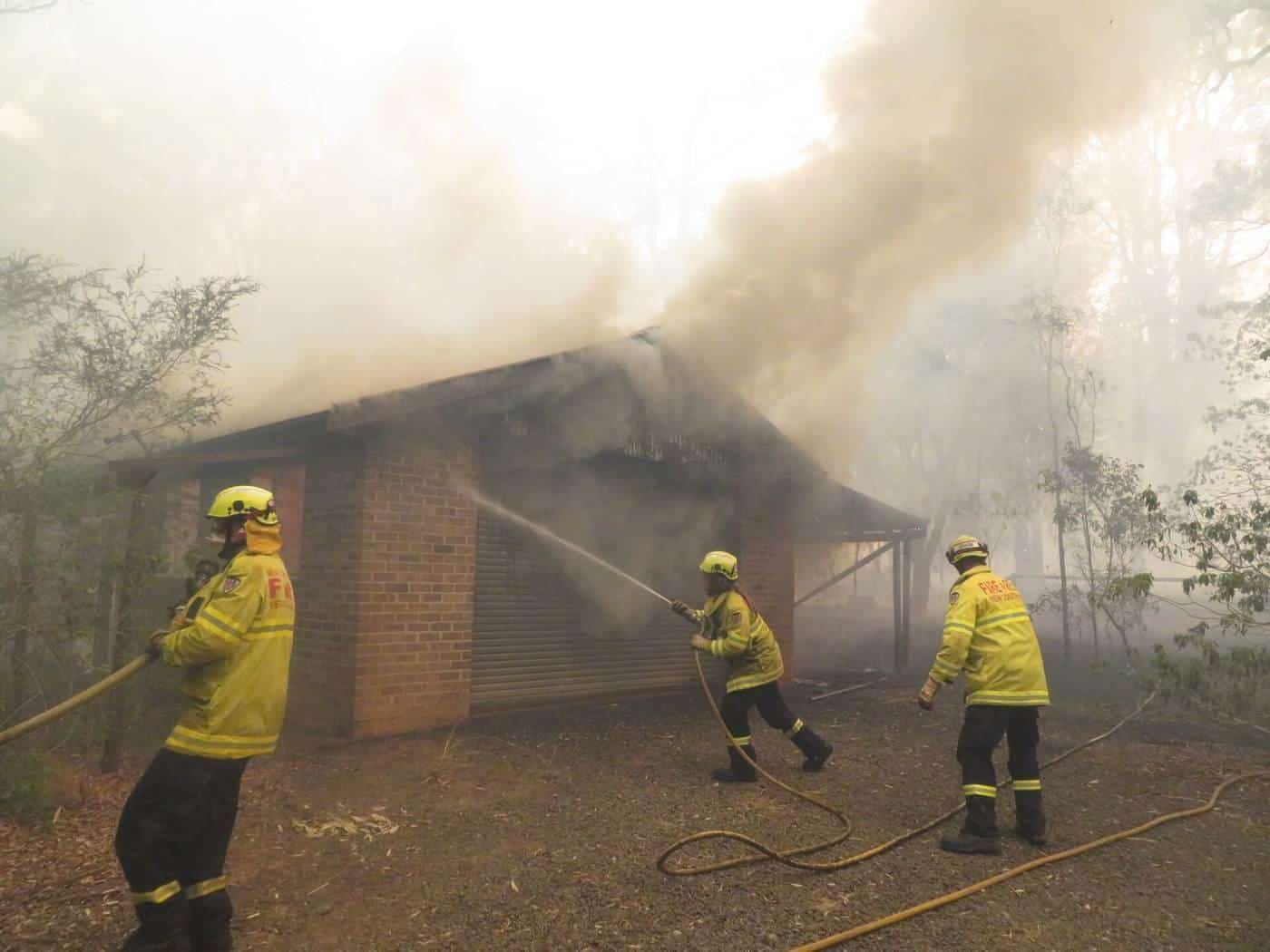
If your property is in a designated bushfire prone area, your deck may need to meet construction requirements for the site's bushfire attack level (BAL). The Victorian Building Authority explains that all new homes in a bushfire prone area must be built to a minimum of BAL 12.5, and higher levels may be required depending on the site assessment. Whether a particular decking product is suitable depends on the BAL and the product's test evidence. Ask the manufacturer and your building surveyor. See decks in bushfire areas.
Warranties
Composite manufacturers often offer warranties covering issues such as staining, fading or structural performance. Read the terms carefully: what's covered, for how long, whether it's pro-rata, and what installation and maintenance conditions apply. Keep the installation and purchase records.
Care
Composite decks still need cleaning to remove dirt, leaves, mould and grease, and to keep gaps clear. Follow the manufacturer's cleaning instructions, as some cleaning products or pressure-washing methods can damage the surface.
Questions to ask
- What is the board made from, and does it have a protective outer layer?
- How hot does it get in direct sun, especially in darker colours?
- What joist spacing and fixing system are required?
- What slip resistance information is available?
- Is it suitable for my site's BAL, if applicable?
- What does the warranty cover, and what conditions apply?
Melbourne's climate and your deck
Melbourne's weather is hard on outdoor timber in its own way. Hot, dry spells with strong UV can dry and grey boards quickly, while long, damp winters keep shaded parts of a deck wet for weeks. Decks on the south side of a house, under trees or close to the ground may stay damp much longer than sunny, well-ventilated ones. Think about where your deck sits, how much sun each part gets and where leaves will collect, and plan materials, ventilation and maintenance accordingly. A deck that dries quickly after rain will almost always last longer.
Children and pets
If you have young children or pets, think about:
- balustrades on decks where a fall is possible, even below the height where they're required;
- gaps that small children or pets could get stuck in or fall through;
- gates at the top of stairs;
- avoiding furniture or planters near balustrades that children could climb;
- splinter-free surfaces, either through good maintenance or by choosing a suitable product;
- shade, because boards can get hot in summer sun.
Supervise young children on decks, particularly raised ones.
Environmental choices
There are several ways to make a deck more sustainable. Ask about timber certified under recognised forest certification schemes, recycled timber, and composite products with recycled content. Choosing a durable material suited to the conditions, designing the deck so it dries well, and maintaining it properly all extend its life, which reduces waste. When an old deck is removed, ask whether any timber can be reused or recycled, and dispose of treated timber according to local council rules rather than burning it.
Coastal and exposed sites
Bayside suburbs and coastal areas like the Mornington Peninsula and Bellarine are harder on decks. Salt air can accelerate corrosion of fixings, and strong winds and sun intensify weathering. Ask your builder about fixings suitable for coastal environments, such as appropriate grades of stainless steel, and about timbers and coatings that perform well in exposed conditions. Regular rinsing and cleaning can help in salty environments.
Warranties and guarantees
Several kinds of protection may apply to your deck: your builder's workmanship warranty, manufacturers' warranties on boards, fixings and coatings, and statutory warranties under Victorian domestic building law. Read warranty terms carefully. Many manufacturers' warranties depend on installation following their instructions and on regular maintenance. Keep receipts, product details and installation records, and register products where manufacturers require it.
Questions to ask your supplier
- What species or product is this, and what is it suited for?
- What hazard class or durability class applies?
- What board sizes, lengths and profiles are available?
- What joist spacing and gaps do you recommend for this product?
- Which fixings should be used, and are they suitable for my location?
- What coating or care does it need?
- Do you have certified or recycled options?
Get recommendations in writing where possible, and keep them with your deck records.
Spas, planters and heavy loads
A spa full of water and people, large planter boxes filled with wet soil, a masonry barbecue or an outdoor kitchen can put far more load on a deck than furniture and people alone. If you're planning anything heavy, tell your designer and builder at the start so the footings and framing can be designed for it. Adding a spa to an existing deck without checking the structure is risky. A structural engineer can assess whether a deck can carry the extra load.
Where our information comes from
We base the facts in this guide on official and authoritative sources, including the Victorian Building Authority, Consumer Affairs Victoria, the Building and Plumbing Commission, the Australian Building Codes Board and Victorian planning guidance, listed at the end of the page. Building rules and thresholds change, so we show the date we last checked this page. Before you rely on any detail, follow the source links or ask your building surveyor.
Key points
- Composite boards trade timber's natural look for more consistent appearance and less finishing.
- Heat, movement and repairs are worth thinking about.
- The frame must suit the product and be treated appropriately.
- Check BAL suitability if you're in a bushfire prone area.
- Read warranty terms and follow the manufacturer's installation and care instructions.
Frequently asked questions
What is composite decking?
Boards usually made from a blend of materials such as wood fibre and plastic, designed to look like timber with less maintenance.
Is composite maintenance-free?
No product is maintenance-free. Composite boards still need cleaning. Follow the manufacturer’s care instructions.
Can I use composite boards on a timber frame?
Often, yes, but the frame must suit the product, including joist spacing and treatment. Follow the manufacturer’s installation guide.
Does composite get hot?
Some boards, especially dark colours, can get hot in direct sun. Ask for information on the product you’re considering.
Is composite suitable in bushfire areas?
It depends on the product and the site’s BAL. Ask the manufacturer for test evidence and talk to your building surveyor.
Sources and further reading
Facts on this page were checked against these primary and official sources. Conditions change — confirm before you travel or buy.
- Bushfire areas and overlays — Victorian Building Authority
- Building in designated bushfire prone areas — Victorian Government (Planning)
- Balconies, decks and balustrades — Victorian Building Authority
- Using treated timber — Business Queensland