The materials you choose shape how your deck looks, how it feels underfoot, how much maintenance it needs and how long it lasts. But the boards are only part of the story: footings, framing, fixings and, in some areas, bushfire requirements matter just as much. The guides in this section explain the options in plain language, using information from Australian government and industry sources.
The guides in this section
- Timber decking: hardwood versus treated pine, hazard classes, durability, board sizes, gaps and fixings.
- Composite decking: advantages, drawbacks, framing and fixing systems, heat, slip and warranties.
- Footings and framing: how footings, posts, bearers and joists work, and why treatment and clearance matter.
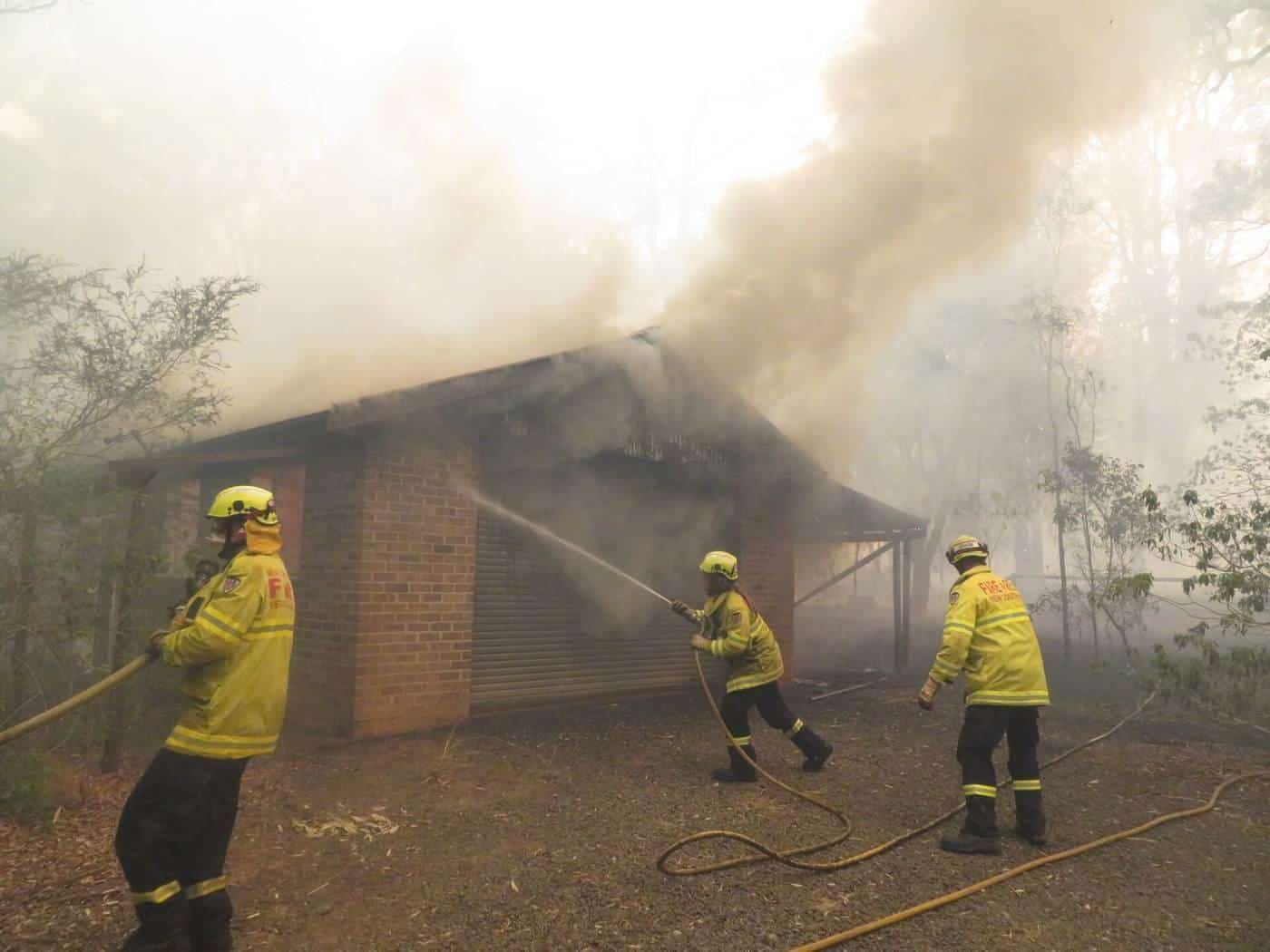
- Decks in bushfire areas: bushfire prone areas, BAL assessments and the Bushfire Management Overlay.
The key ideas
Match treatment to exposure
Australia's preservative treatment standard, AS 1604, sorts outdoor conditions into hazard classes. Business Queensland explains that H3 suits wood kept off the ground but exposed to weather, and H4 suits wood in contact with the ground or continually damp. WoodSolutions notes that structural elements in ground contact need H5 or a naturally durable Class 1 hardwood. Treated timber should be branded with its hazard class.
The frame matters as much as the boards
Composite boards usually still sit on a timber or steel frame, often with closer joist spacing than timber boards. Low decks with little airflow are at higher risk of moisture problems. Fixings must suit outdoor use and the timber treatment.
Check for bushfire requirements
If your property is in a designated bushfire prone area, the Victorian Building Authority says new homes must be built to at least BAL 12.5, and higher levels may apply depending on the site assessment. Deck materials and details may need to meet requirements for the site's BAL. Check VicPlan.
Comparing timber and composite
- Look: timber has natural variation; composite is more uniform.
- Maintenance: timber needs periodic re-coating to keep its colour; composite mainly needs cleaning.
- Heat: some composites, especially dark colours, can get hot in sun.
- Repairs: timber can be sanded and refinished; damaged composite boards are usually replaced.
- Cost: depends on the specific product; get quotes for both.
Estimate quantities
Our deck calculator estimates rows of boards, linear metres, board count, joists and screws from your deck size, board width, gap and joist spacing. Use it to understand quotes; your builder and supplier will confirm actual quantities.
Ask before you buy
- What is the product, and is it suited to this use and exposure?
- What treatment class or durability class applies?
- What joist spacing, gaps and fixings are required?
- Is it suitable for my site's BAL, if applicable?
- What warranty applies, and what are its conditions?
Climate, coast and termites
Melbourne's weather is hard on outdoor timber in its own way. Hot, dry spells with strong UV can dry and grey boards quickly, while long, damp winters keep shaded parts of a deck wet for weeks. Decks on the south side of a house, under trees or close to the ground may stay damp much longer than sunny, well-ventilated ones. Think about where your deck sits, how much sun each part gets and where leaves will collect, and plan materials, ventilation and maintenance accordingly. A deck that dries quickly after rain will almost always last longer.
Fixings and the coast
Bayside suburbs and coastal areas like the Mornington Peninsula and Bellarine are harder on decks. Salt air can accelerate corrosion of fixings, and strong winds and sun intensify weathering. Ask your builder about fixings suitable for coastal environments, such as appropriate grades of stainless steel, and about timbers and coatings that perform well in exposed conditions. Regular rinsing and cleaning can help in salty environments.
Environmental choices
There are several ways to make a deck more sustainable. Ask about timber certified under recognised forest certification schemes, recycled timber, and composite products with recycled content. Choosing a durable material suited to the conditions, designing the deck so it dries well, and maintaining it properly all extend its life, which reduces waste. When an old deck is removed, ask whether any timber can be reused or recycled, and dispose of treated timber according to local council rules rather than burning it.
Five habits for a deck that lasts
- Check permits before you start. Most decks in Victoria need a building permit.
- Use a registered builder for work over $10,000, and check their registration with the Building and Plumbing Commission.
- Match materials to exposure: the right treatment class near the ground, suitable fixings and, in bushfire prone areas, materials that suit the BAL.
- Design for drainage and airflow so the deck and the house wall can dry out.
- Maintain it: sweep, keep gaps clear, re-coat as needed and check balustrades and fixings every year.
About these guides
Deck Builders Melbourne is an independent information site. We aren't a builder, deck company, building surveyor or government agency, and no business pays to appear in our guides. We don't publish prices or rank builders or products. We write every guide in our own words and list the official sources we used, such as the Victorian Building Authority, Consumer Affairs Victoria, the Building and Plumbing Commission, the Australian Building Codes Board and Victorian planning guidance. Rules and thresholds change, so check current details with your building surveyor, council and the relevant agency.
How we keep these guides current
We review each guide against official sources and show the date it was last checked. If you notice something out of date, please tell us through our contact page, and we'll check and correct it.
Guides in this section
Materials
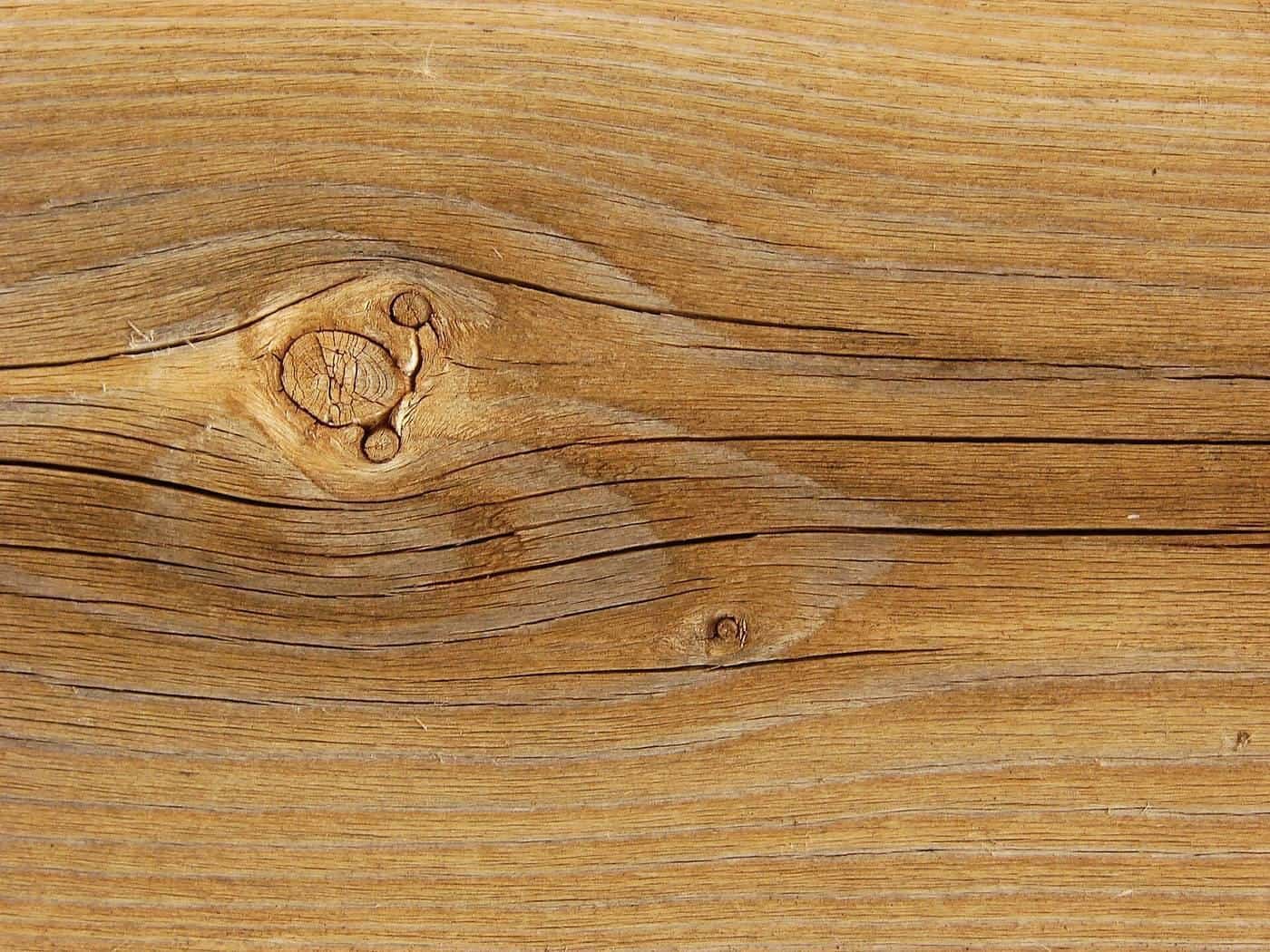
Timber decking
How to choose timber for a deck: hardwood versus treated pine, hazard classes, durability, board sizes and what affects how long a deck lasts.
Read · 6 min
Materials
Composite decking
What composite decking is, how it compares with timber, and what to check: heat, slip, fixing systems, framing, warranties and bushfire suitability.
Read · 6 min
Materials
Footings and framing
How deck footings, posts, bearers and joists work, why ground clearance and treatment matter, and what your builder and engineer will consider.
Read · 6 min
Materials
Decks in bushfire areas
How bushfire prone areas, BAL assessments and the Bushfire Management Overlay affect deck design and materials in Victoria.
Read · 6 min
Frequently asked questions
Which is better, timber or composite?
Each has trade-offs. Timber can be refinished and looks natural; composite usually needs less finishing. Consider heat, cost, repairs and your site.
What treatment does deck framing need?
It depends on exposure. H3 suits above-ground use; H4 or higher is needed near or in the ground.
Do bushfire rules affect decks?
In designated bushfire prone areas, decks may need to meet requirements for the site’s BAL.
Do you recommend brands?
No. We explain what to look for and what to ask.
Sources and further reading
Facts on this page were checked against these primary and official sources. Conditions change — confirm before you travel or buy.
- Using treated timber — Business Queensland
- Preservative treatments and use classes — WoodSolutions
- Bushfire areas and overlays — Victorian Building Authority
- Building in designated bushfire prone areas — Victorian Government (Planning)