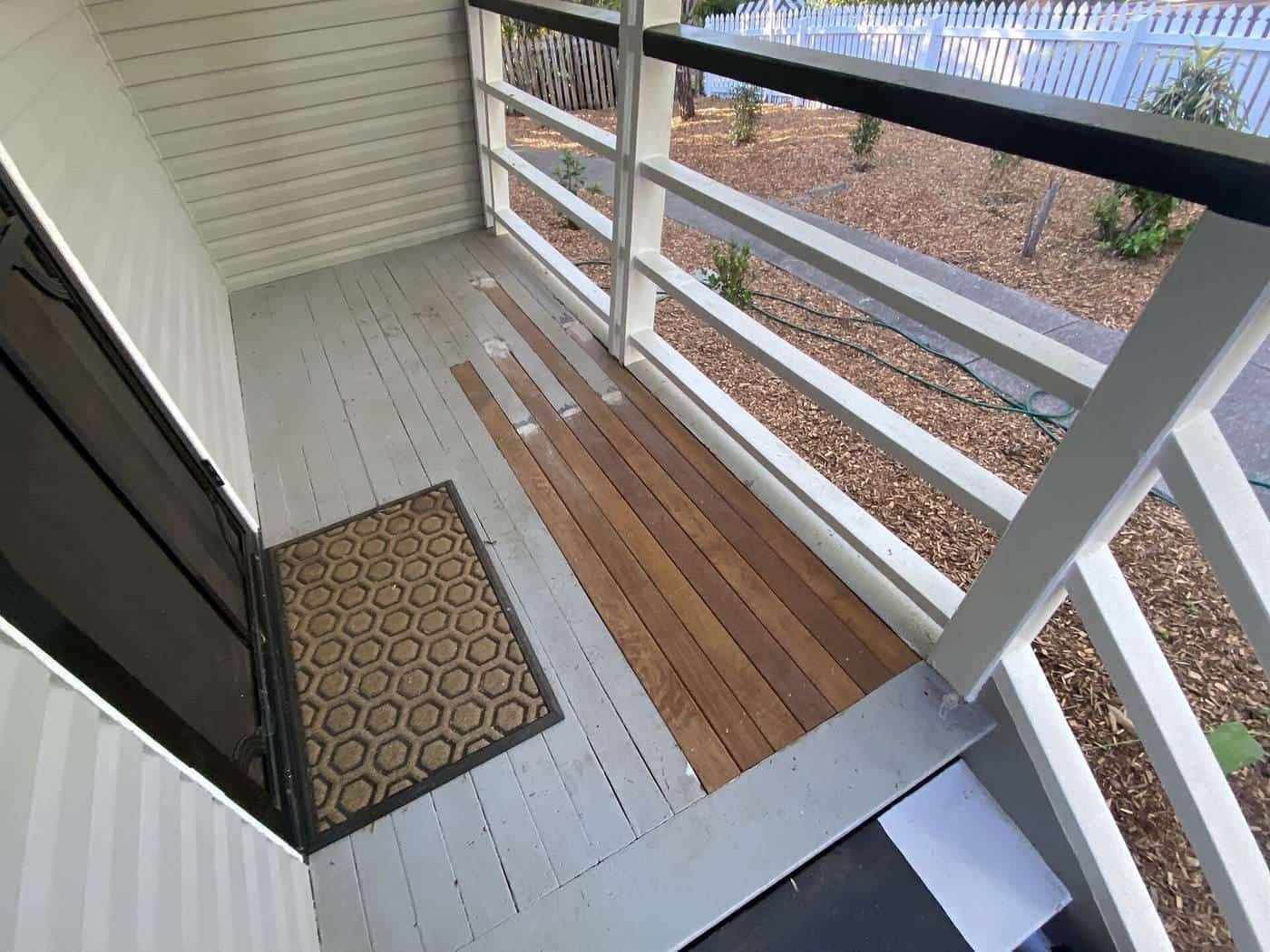
Timber has been the go-to decking material in Australia for generations. It looks warm, feels good underfoot, can be refinished, and suits everything from a low courtyard deck to a high verandah. But not all timber is suited to every part of a deck, and choosing well makes a big difference to how long it lasts.
This guide is general information. Your builder, supplier and engineer will specify the right timber for your design.
The two main choices
Hardwood
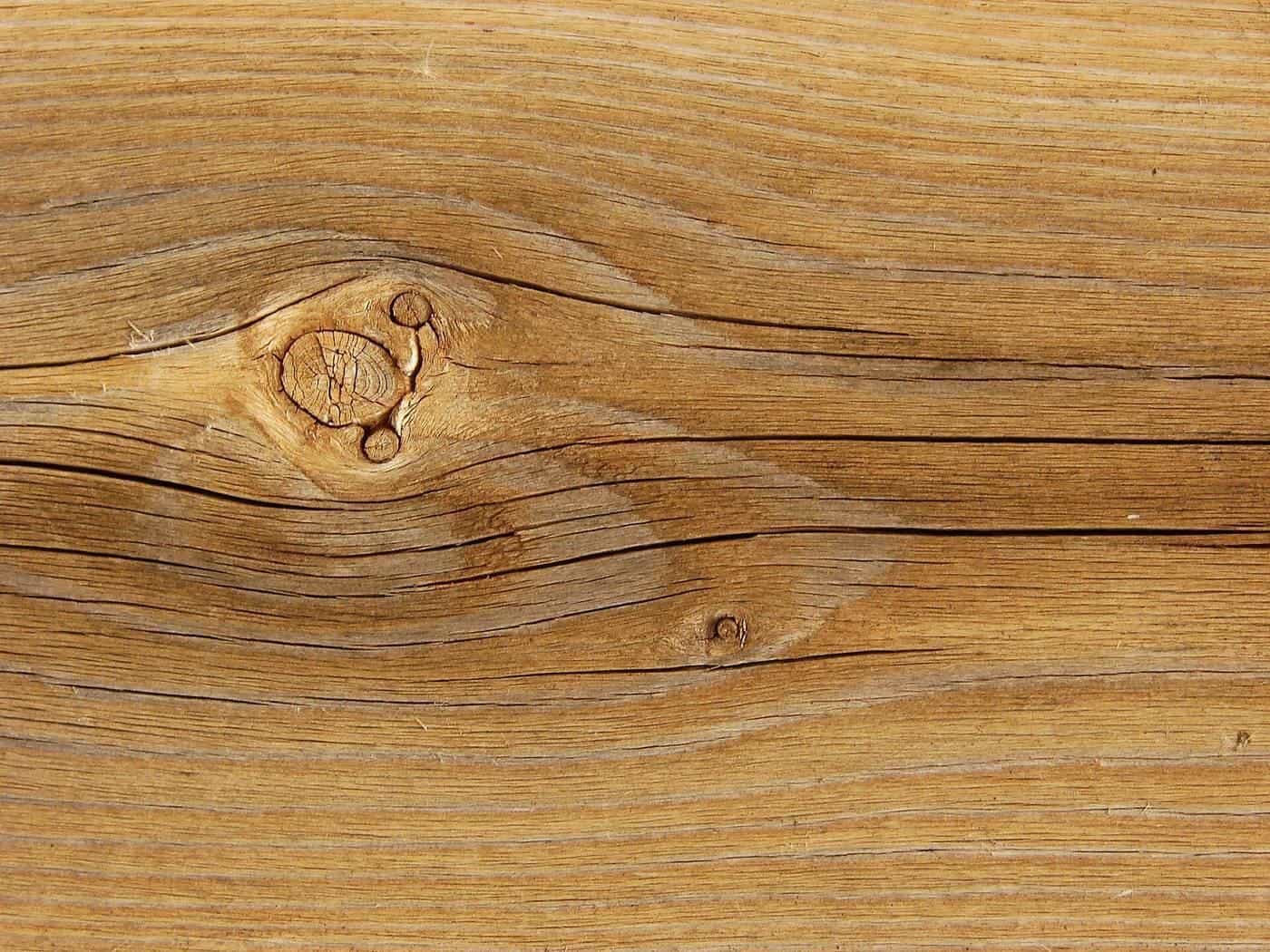
Australian hardwoods are popular for decking boards because they're dense, hard-wearing and, for many species, naturally durable. They come in a range of colours, from pale to deep red-brown. Hardwoods can be heavier and harder to work than softwoods, and some species can bleed tannins when new, which may stain nearby surfaces. Prices and availability vary by species and over time.
Treated pine
Treated pine is softwood (commonly radiata pine) that has been treated with preservatives to protect it from decay and insects. It's often used for deck framing and is also available as decking boards. It's generally lighter and easier to work than hardwood, and takes stains well. It's essential to use the right treatment level for each part of the deck.
Hazard classes: matching treatment to exposure
Australia's preservative treatment standard, AS 1604, classifies the conditions timber will face into hazard classes, prefixed with "H". The Timber Preservers Association of Australia (TPAA) summarises them: H1 is a borer-only hazard, H2 is for termites, H3 for moderate decay, H4 for severe decay, H5 for very severe decay and H6 for marine borers.
For decks, the key classes are:
- H3: Business Queensland explains that H3 is suitable where wood is kept off the ground but exposed to weather or periodic wetting. WoodSolutions lists decking among typical H3 uses, where wood can get wet but dry out.
- H4: suitable where wood is in contact with the ground or continually damp, according to Business Queensland.
- H5: WoodSolutions notes that H4 isn't intended for critical structural elements, and that structural elements in ground contact need H5 or a naturally durable Class 1 hardwood.
WoodSolutions also notes that close-to-ground situations may call for a higher treatment level or a durable hardwood. Low decks, where airflow beneath is limited, deserve particular attention.
Check the brand
According to the TPAA, each piece of preserved wood must be branded with its hazard class (with some exceptions for small sections that are pack-branded), and timber that isn't branded doesn't comply with the standard. Business Queensland similarly advises making sure treated wood is properly branded and that the H class is appropriate for its use.
When timber is cut on site, the cut ends may need to be sealed with a suitable preservative. Ask your supplier.
Natural durability
Some hardwood species are naturally more durable than others. Durability is often described in classes, with Class 1 the most durable. Naturally durable timber can last well outdoors, but durability above ground differs from durability in ground contact, and sapwood is generally less durable than heartwood. Ask your supplier about the durability class for the species you're considering and how it applies to your use.
Board sizes and profiles
Decking boards come in various widths and thicknesses. Narrower boards tend to move less with changes in moisture; wider boards cover more area per board but may cup or move more. Some boards have reeded or grooved profiles. The board size and joist spacing must suit each other: follow the supplier's span tables or your engineer's design.
Our deck calculator can help you estimate how many boards a deck needs for a given board width and gap.
Gaps between boards
Timber expands and contracts as its moisture content changes. Gaps between boards allow for this movement and let water drain away and air circulate. The right gap depends on the species, board width and how dry the boards are when installed. Your builder and supplier will advise.
Fixings
Fixings matter as much as the timber. Use fixings suited to outdoor use and compatible with the timber and treatment, and consider the environment, as coastal areas are harder on metal. Options include face-fixed screws and various hidden-fixing systems. Follow the decking manufacturer's recommendations.
Sustainability
If sustainability matters to you, ask your supplier about certified timber, such as timber certified under recognised forest certification schemes, and about recycled timber options.
What affects how long a deck lasts
- choosing the right timber and treatment for each part of the deck;
- good design: ventilation underneath, clearance from the ground, drainage;
- quality construction and fixings;
- regular maintenance: cleaning, keeping debris out of gaps, and re-coating (see oiling and maintaining a deck).
Melbourne's climate and your deck
Melbourne's weather is hard on outdoor timber in its own way. Hot, dry spells with strong UV can dry and grey boards quickly, while long, damp winters keep shaded parts of a deck wet for weeks. Decks on the south side of a house, under trees or close to the ground may stay damp much longer than sunny, well-ventilated ones. Think about where your deck sits, how much sun each part gets and where leaves will collect, and plan materials, ventilation and maintenance accordingly. A deck that dries quickly after rain will almost always last longer.
Termites
Termites are active in many parts of Victoria. Timber decks, especially those close to the ground, can be at risk. Using appropriately treated or naturally durable timber, keeping the area under the deck dry and clear, and avoiding direct contact between untreated timber and soil all reduce the risk. If your house has a termite management system, make sure deck construction doesn't bridge or compromise it. Regular inspections by a licensed pest manager are a good idea in termite-prone areas.
Environmental choices
There are several ways to make a deck more sustainable. Ask about timber certified under recognised forest certification schemes, recycled timber, and composite products with recycled content. Choosing a durable material suited to the conditions, designing the deck so it dries well, and maintaining it properly all extend its life, which reduces waste. When an old deck is removed, ask whether any timber can be reused or recycled, and dispose of treated timber according to local council rules rather than burning it.
Coastal and exposed sites
Bayside suburbs and coastal areas like the Mornington Peninsula and Bellarine are harder on decks. Salt air can accelerate corrosion of fixings, and strong winds and sun intensify weathering. Ask your builder about fixings suitable for coastal environments, such as appropriate grades of stainless steel, and about timbers and coatings that perform well in exposed conditions. Regular rinsing and cleaning can help in salty environments.
Questions to ask your supplier
- What species or product is this, and what is it suited for?
- What hazard class or durability class applies?
- What board sizes, lengths and profiles are available?
- What joist spacing and gaps do you recommend for this product?
- Which fixings should be used, and are they suitable for my location?
- What coating or care does it need?
- Do you have certified or recycled options?
Get recommendations in writing where possible, and keep them with your deck records.
Key points
- Hardwood and treated pine each have advantages.
- Match treatment to exposure: H3 above ground, H4 or higher near or in the ground.
- Structural elements in ground contact need H5 or a Class 1 durable hardwood, according to WoodSolutions.
- Check treated timber is branded with its hazard class.
- Gaps, fixings, ventilation and maintenance all affect lifespan.
Frequently asked questions
Is hardwood or treated pine better for decking?
Each has trade-offs. Hardwoods are dense and many are naturally durable; treated pine is usually lighter and easier to work. Ask your builder which suits your design and budget.
What does H3 mean?
A hazard class under AS 1604. Business Queensland says H3 suits wood kept off the ground but exposed to weather or periodic wetting.
What about posts and timber near the ground?
H4 is for wood in contact with the ground or continually damp. WoodSolutions says structural elements in ground contact need H5 or a Class 1 durable hardwood.
How do I know timber is treated?
Treated timber should be branded with its hazard class. The TPAA says unbranded timber doesn’t comply with the standard.
Why do boards need gaps?
Timber moves with moisture, and gaps let water drain and air circulate. Follow the supplier’s and builder’s advice.
Sources and further reading
Facts on this page were checked against these primary and official sources. Conditions change — confirm before you travel or buy.
- Using treated timber — Business Queensland
- Preservative treatments and use classes — WoodSolutions
- Technical Note 14: AS 1604 explained — Timber Preservers Association of Australia
- Balconies, decks and balustrades — Victorian Building Authority