Decks can last many years, but time, weather and neglect take their toll. Many deck problems develop out of sight, in the frame underneath or where the deck meets the house. If you've bought a home with an older deck, or haven't looked closely at yours for a while, a careful inspection is worthwhile.
This guide is general information. If you see signs of structural problems, stop using the deck and get professional advice.
Start with safety
If a deck sways, sags noticeably, bounces more than it used to, or has a loose balustrade, don't use it until it's been checked. Keep children and pets off it.
Boards
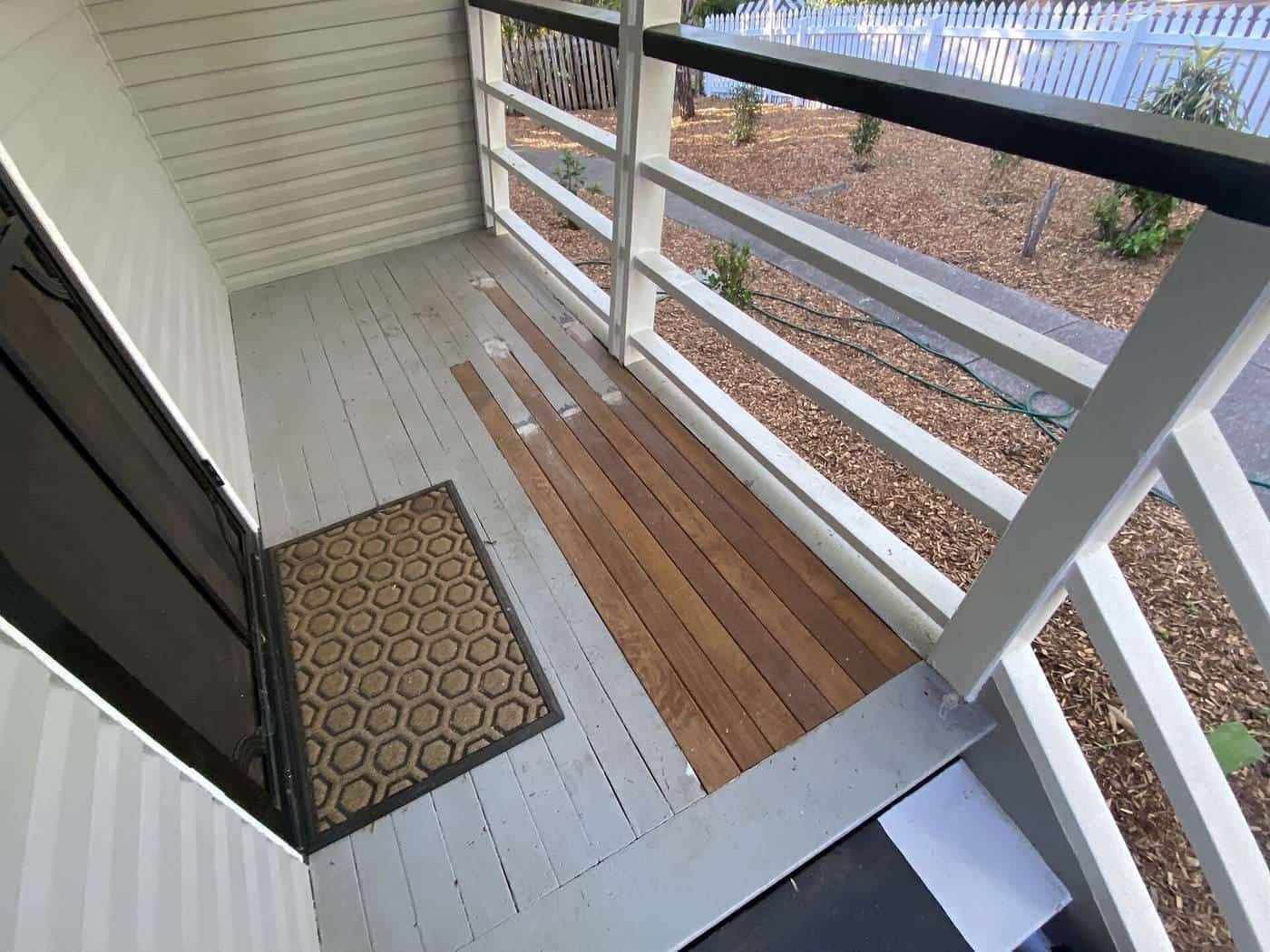
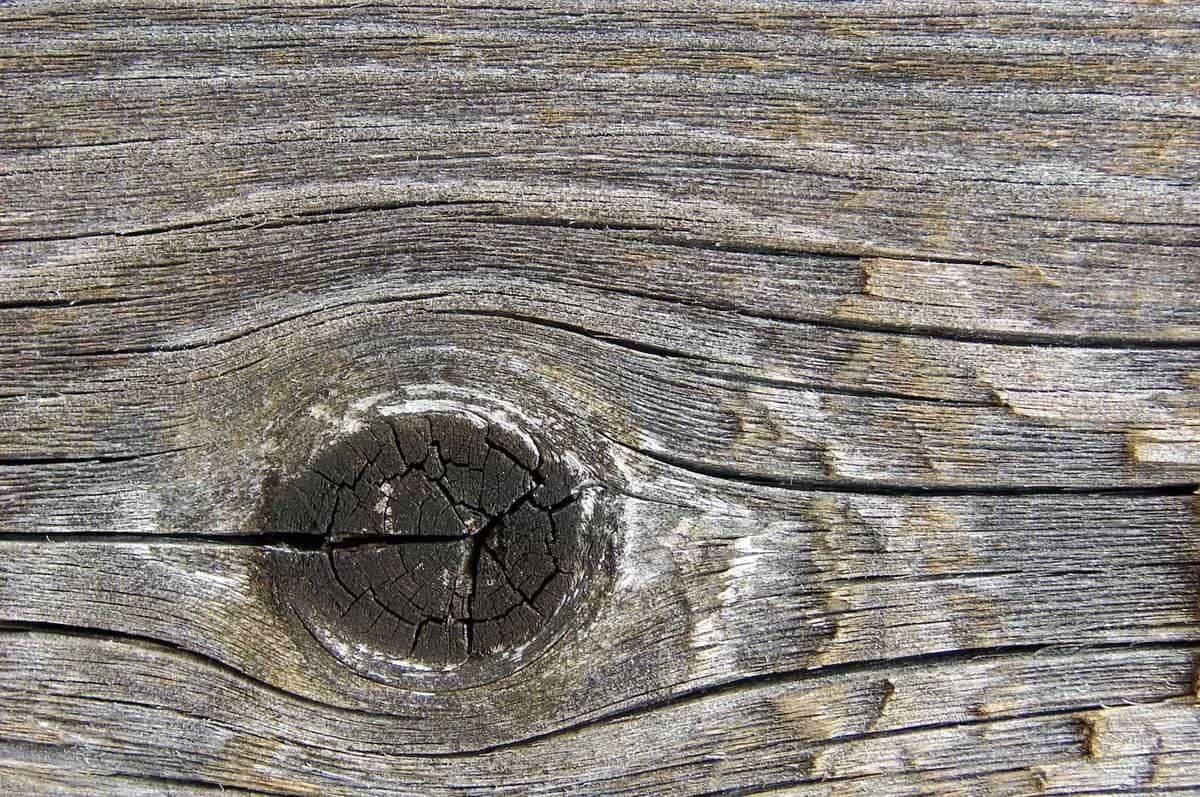
- Soft spots: press a screwdriver into boards, especially near the house, around pots and at board ends. Soft, spongy timber may indicate rot.
- Splits and cracks: small surface checks are normal, but deep splits can weaken boards.
- Cupping or warping: can indicate moisture problems.
- Popped or loose fixings: trip hazards and a sign of movement.
Frame
If you can safely look underneath:
- check joists, bearers and posts for rot, especially where timber meets the ground or footings;
- look for corroded bolts, hangers and brackets;
- check posts are sitting properly on footings, and look for movement or settling;
- look for missing or loose bracing on higher decks;
- check timber is branded with an appropriate treatment class where visible. Business Queensland explains that H3 suits above-ground exposure and H4 suits ground contact or continually damp conditions.
Where the deck meets the house
The connection between a deck and a house is critical. The Victorian Building Authority notes that if a deck is fixed to a building, the building must be able to support the structural loads. Look for:
- signs of water damage or rot around the ledger;
- gaps opening up between the deck and the house;
- missing or damaged flashing;
- loose or corroded bolts.
Balustrades and stairs
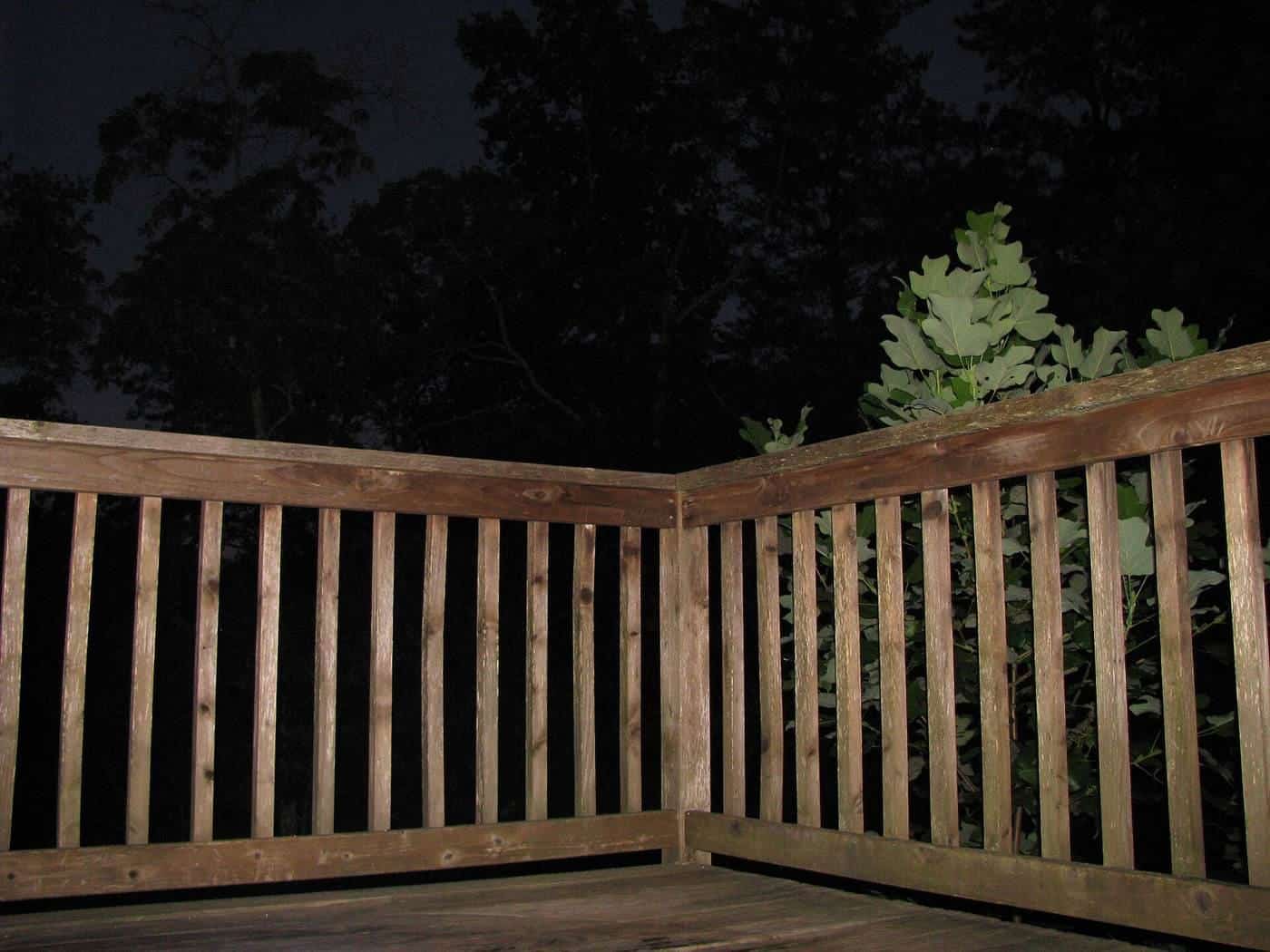
- Push and pull firmly on balustrades and handrails. They should be solid.
- Check heights and gaps. The ABCB notes that balustrade height requirements have increased over the years; today's Housing Provisions require at least 1 m on decks where a fall of 1 m or more is possible, and openings that won't pass a 125 mm sphere. See balustrades and stairs.
- Check stair treads are firm, even and not slippery.
Termites
Look for mud tubes on posts and footings, and timber that sounds hollow or crumbles. If you suspect termites, get a licensed pest manager to inspect.
When to call a professional
Get help if you find rot in the frame, movement, a loose ledger, corroded structural fixings, or balustrades that move. Depending on the problem, contact a registered builder, a building inspector or a structural engineer. Repairs may require a building permit. See deck permits and choosing a deck builder.
Repair or replace?
Sometimes replacing boards and fixings is enough. If the frame is badly decayed, rebuilding may be safer and better value. Ask for written quotes for both options.
Termites
Termites are active in many parts of Victoria. Timber decks, especially those close to the ground, can be at risk. Using appropriately treated or naturally durable timber, keeping the area under the deck dry and clear, and avoiding direct contact between untreated timber and soil all reduce the risk. If your house has a termite management system, make sure deck construction doesn't bridge or compromise it. Regular inspections by a licensed pest manager are a good idea in termite-prone areas.
Protecting the house wall
Where a deck meets the house, water management is crucial. The deck surface should generally be below the internal floor level or designed so water can't flow inside. Flashing should direct water away from the wall and the ledger. Weep holes and subfloor vents in brick walls should not be covered, because they let moisture escape and air circulate under the house. Ask your builder to explain how they'll handle these details.
Melbourne's climate and your deck
Melbourne's weather is hard on outdoor timber in its own way. Hot, dry spells with strong UV can dry and grey boards quickly, while long, damp winters keep shaded parts of a deck wet for weeks. Decks on the south side of a house, under trees or close to the ground may stay damp much longer than sunny, well-ventilated ones. Think about where your deck sits, how much sun each part gets and where leaves will collect, and plan materials, ventilation and maintenance accordingly. A deck that dries quickly after rain will almost always last longer.
Keep a deck file
Keep a simple folder, paper or digital, for your deck. Include the building permit and inspection records, plans and engineering details, the contract and any variations, product names and colours for boards and coatings, warranty documents and receipts. Add photos taken during construction, especially of the frame and footings before they're covered. This file is invaluable when you need repairs, make a warranty claim, sell your home or resolve a dispute, and it saves the next owner a lot of guesswork.
Planning a realistic budget
We don't publish prices, because they vary with design, materials, site and timing. Instead, think about the things that drive cost so you can plan sensibly and compare quotes:
- size and height: larger and higher decks need more materials and more structure;
- site: slopes, poor access, rock or reactive soils add work;
- materials: board type, species or product, and fixing system;
- extras: stairs, balustrades, built-in seating, lighting, screens, roofing;
- demolition of an existing deck and rubbish removal;
- design, engineering and permit fees.
Allow a contingency for surprises, such as rock in footing holes or rot found when an old deck is removed.
Children and pets
If you have young children or pets, think about:
- balustrades on decks where a fall is possible, even below the height where they're required;
- gaps that small children or pets could get stuck in or fall through;
- gates at the top of stairs;
- avoiding furniture or planters near balustrades that children could climb;
- splinter-free surfaces, either through good maintenance or by choosing a suitable product;
- shade, because boards can get hot in summer sun.
Supervise young children on decks, particularly raised ones.
Deck terms explained
- Bearer: a main horizontal beam supported by posts or stumps.
- Joist: a smaller beam on or between bearers that supports the boards.
- Ledger: a member fixed to the house to support one side of an attached deck.
- Footing: the concrete pad or pier that transfers loads into the ground.
- Balustrade or barrier: the railing system that prevents falls.
- Nosing: the front edge of a stair tread.
- BAL: bushfire attack level, a measure of a site's bushfire exposure.
- Hazard class (H class): the treatment level for preservative-treated timber under AS 1604.
- Building surveyor: the registered professional who issues building permits and inspects work.
Getting deck stairs right
Stairs are where many deck accidents happen. Good stairs have consistent riser heights and tread depths, so people don't trip, firm and slip-resistant treads, and handrails where required. Avoid single steps, which are easy to miss. Make sure there's a safe landing at the bottom, and light the stairs for use at night. Your building surveyor will check stair dimensions against the National Construction Code.
Key points
- Stop using a deck that sways, sags or has loose balustrades.
- Check boards, frame, ledger, balustrades and stairs.
- Pay special attention to timber near the ground and where the deck meets the house.
- Older balustrades may not meet current requirements.
- Get professional advice for structural concerns; repairs may need a permit.
Frequently asked questions
How do I know if my deck is unsafe?
Warning signs include soft or rotten timber, movement or bounce, loose balustrades, corroded fixings, and gaps where the deck meets the house.
Who can inspect a deck?
A registered builder, building inspector or structural engineer, depending on the problem.
Should I stop using a deck that moves?
If a deck sways, sags or has a loose balustrade, stop using it until it’s been checked.
Do old balustrades meet today’s rules?
Not necessarily. The ABCB notes balustrade height requirements have increased over time.
Can I replace boards myself?
Small repairs may be possible, but structural repairs and work over certain values have registration and permit requirements.
Sources and further reading
Facts on this page were checked against these primary and official sources. Conditions change — confirm before you travel or buy.
- Balconies, decks and balustrades — Victorian Building Authority
- Stairways, barriers and handrails FAQ — Australian Building Codes Board
- About builders, tradespeople and other building practitioners — Consumer Affairs Victoria
- Using treated timber — Business Queensland